 Call
CallLiving in the Vail Valley on a Service Wage: Monthly RV Housing in Eagle County
If you work in the Vail Valley, you already know the hard part is not finding a job. Restaurants, hotels, ski resorts, construction crews, and shops are all hiring. The hard part is finding a place to sleep that does not eat your whole paycheck. Rents in Eagle County have climbed for years, and the wait for anything affordable can stretch on with no clear end. For a lot of service and seasonal workers, monthly RV housing in Eagle County has become a real answer, not a last resort.
This guide walks through why RV living works so well in this part of Colorado, what a good long-term full-hookup site actually gives you, how to stay comfortable through a mountain winter, and how to lock in a spot before the season fills. It is written for people doing the actual work that keeps this valley running, so it is plain and honest.
Why Monthly RV Living Makes Sense in Eagle County
Eagle County runs on a resort economy. Vail and Beaver Creek pull in visitors all year, and the towns in between, Eagle, Gypsum, Avon, and Edwards, are full of the people who make that economy work. The problem is that housing has not kept pace. Eagle County has a well documented shortage of affordable workforce housing, and that shortage hits service and seasonal workers hardest. Waitlists are long. Deposits are steep. Many rentals want a full year lease when your job might run a season.
An RV changes that math. If you already own a rig, or you buy a used one, your monthly cost becomes a site fee plus your basic bills instead of a rent check plus a deposit plus utilities plus the pressure of a long lease. You keep your home with you. If your work moves, you can move too. And you get to live in the middle of the valley instead of driving in from an hour away.
Gypsum sits right on I-70 at about 6,300 feet, which puts you central to the whole county. That location is the quiet advantage of parking here. You are close to jobs up valley in Vail and Beaver Creek and close to the more everyday towns down valley.
Is monthly RV living actually cheaper than renting an apartment here?
In general terms, yes for many workers, because you are paying a site fee and your own utilities rather than resort-area rent that often runs well above the national average. Your real number depends on your rig, your power use, and the length of your stay. For current figures, check the rates page and contact the park directly, because honest numbers beat guesses.
What a Good Long-Term Full-Hookup Site Includes
Not every RV spot is built for living. A weekend campground and a place you can call home for months are different things. When you are looking at long-term options, full hookups are the baseline you want, and there are a few extras that make daily life work.
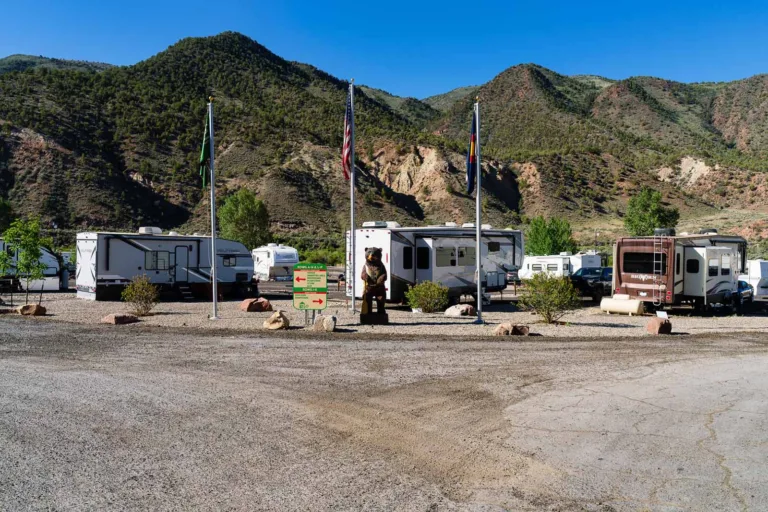
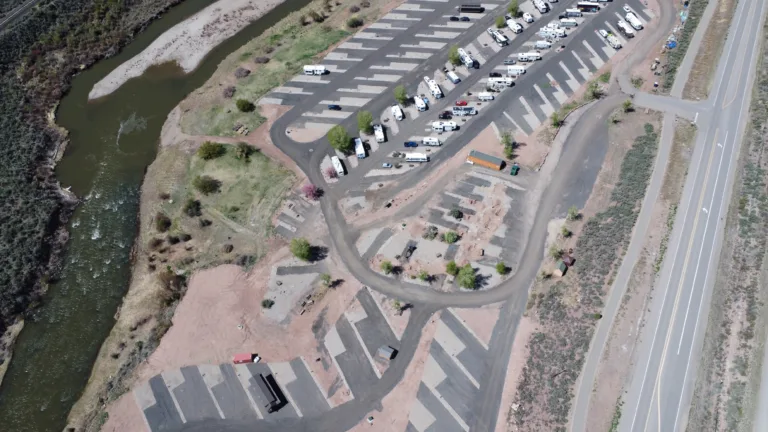
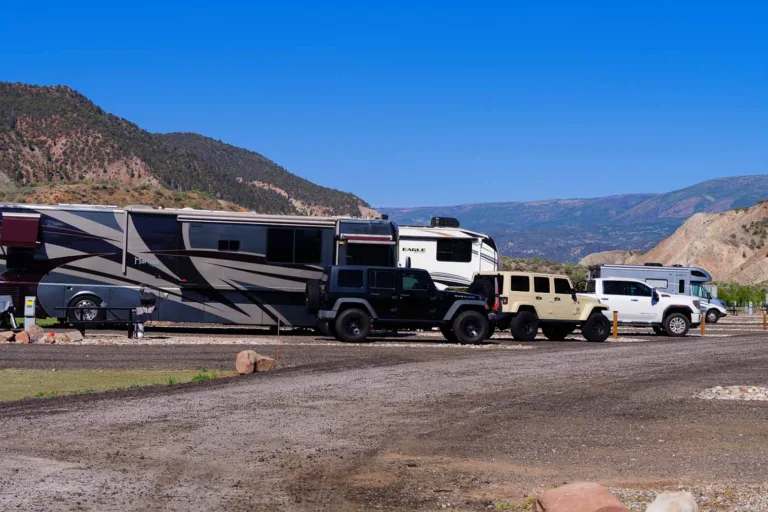
At Riverdance RV Resort, the long-term full-hookup sites include 30 and 50 amp power, water, and sewer at the pad. That matters more than it sounds. Full sewer means you are not hauling a tank across a lot every few days in the cold. Both 30 and 50 amp options mean your rig can run its systems and keep you warm without tripping.
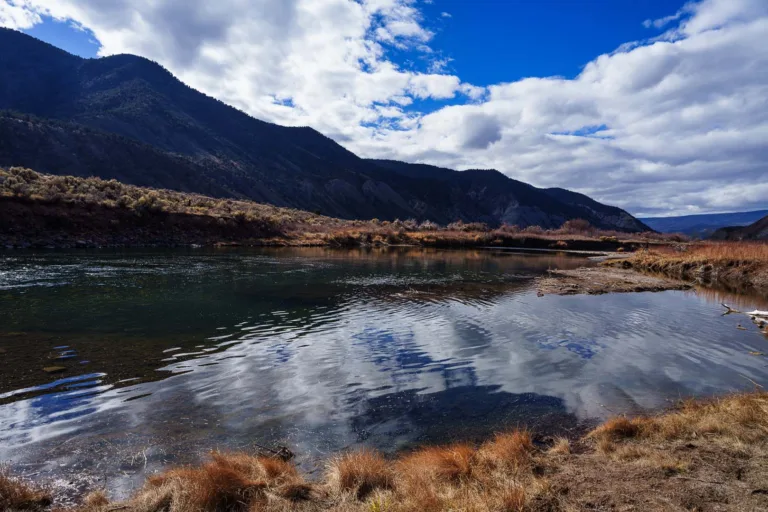
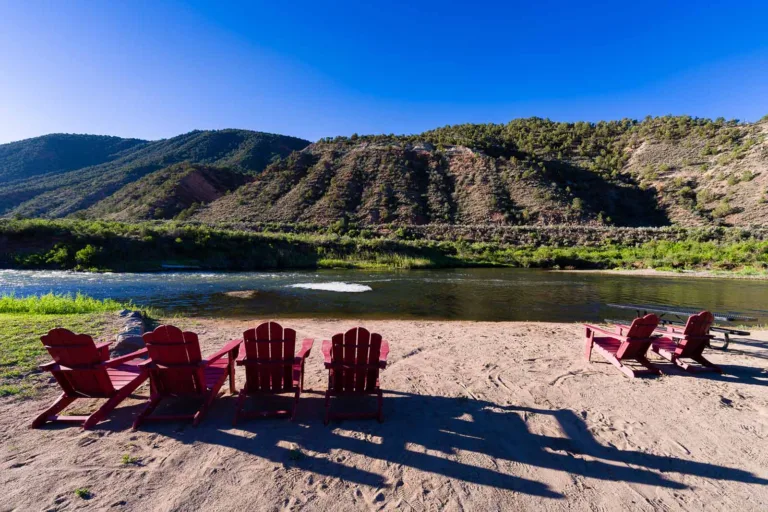
The pads themselves are flat and stable, which keeps your rig level and your setup solid over a long stay. On top of the hookups, you get Wi-Fi, hot showers, clean bathrooms, and coin laundry on site, so you are not driving to a laundromat every week. The park is pet friendly, and there is private access to the Eagle River, which is a real perk after a long shift.
You can see the full picture of the long-term RV stays options, and if you want the specifics of the dedicated setup in town, the long-term RV park in Gypsum, Colorado page lays it out.
What should I look for in a long-term RV site?
Full hookups with both 30 and 50 amp power, a flat stable pad, reliable water and sewer, on-site laundry and showers, and a clear monthly rate. Location near your work matters too, because a shorter commute saves both gas and hours.
Living Through Winter at Elevation
Winter is the honest part of this conversation. Living in an RV at 6,300 feet in the Colorado high country is doable, and plenty of workers do it every season, but it takes some preparation. If you go in ready, you will be comfortable. If you wing it, you will learn the hard way.
The biggest thing to protect is your water line. A heated water hose is not optional in a mountain winter. It keeps the line running to your rig from freezing between the spigot and your intake. Wrap and insulate any exposed plumbing, and skirt the base of your rig so wind does not pull heat out from underneath and freeze your tanks. Skirting alone makes a large difference in how warm your floor stays and how hard your furnace has to work.
Keep your propane topped up, because your furnace will lean on it hard on cold nights, and running out at 2 a.m. in January is miserable. Many long-term residents run a small electric space heater to take load off the propane furnace, which is where that 50 amp service earns its keep. Keep a cabinet or two under the sink cracked open on the coldest nights so warm air reaches the pipes. And keep your rig moisture in check, because sealed-up winter living creates condensation. A small dehumidifier or just cracking a vent helps.
Full sewer hookups make winter far easier than tank hauling, and having hot showers and indoor bathrooms on site means you are never stuck if something on your rig freezes up. That backup matters when the temperature drops.
Can you really live in an RV through a Colorado winter?
Yes, and many seasonal workers do, but only with real winterizing. A heated water hose, skirting, insulated plumbing, steady propane, and full hookups are what turn a cold rig into a warm home.
The Commute to Resort Jobs
One of the best reasons to park in Gypsum is how it sits relative to the work. From here you are on I-70, which is the spine of the whole valley. Jobs in Vail and Beaver Creek are up valley, and towns like Eagle, Avon, and Edwards are strung along the way. Living centrally means you are not the person driving in over a mountain pass in a storm before a breakfast shift.
A shorter, flatter commute is not just about time. In winter it is about safety and reliability. Passes close. Roads ice over. The closer you live to the corridor your job sits on, the fewer mornings you spend white-knuckling a drive or calling in because you could not get through. Eagle County Regional Transit also runs along the valley, so depending on your schedule you may be able to cut some driving entirely.
When you add it up, the money you keep by not renting a far-off apartment often stays in your pocket instead of going into gas and vehicle wear. That is part of why monthly RV housing in Eagle County pencils out for so many workers in the resort economy.
Budgeting in Plain Terms
Everyone’s numbers look a little different, so treat this as a framework rather than a promise. Your monthly cost as an RV resident generally breaks down into a few buckets. There is your site fee, which is your main housing cost. There is electricity, which swings with the season and is highest in deep winter when your heaters run. There is propane for your furnace, stove, and hot water. There is your phone and any personal expenses, and there is fuel for your commute.
Against that, compare what a local apartment would cost you in rent alone, before utilities and deposits, in one of the more expensive housing markets in the state. For a lot of people the RV route leaves more of the paycheck intact, which is the whole point when you are working a service or seasonal wage.
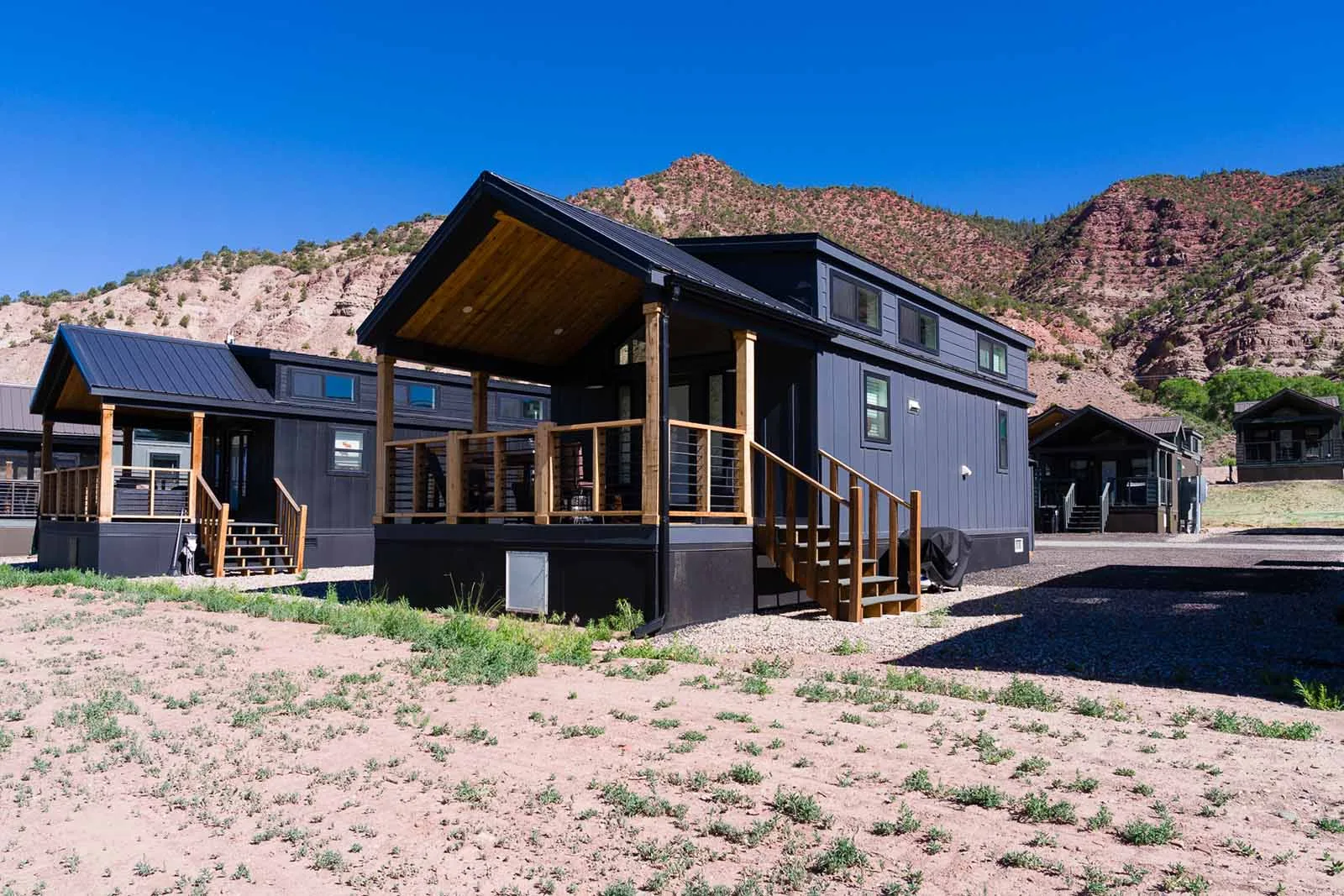
If a full RV is not your setup, there are other paths on the same land. Monthly park model lots give you a larger, more settled footprint, and the Park and Porch tiny home village offers a small cottage option if you want walls and a porch instead of a rig. Different budgets and different life stages fit different choices, so it is worth asking what matches yours.
Because rates change and every stay is different, the resort does not post one flat number that fits everyone. The right move is to look at the current rates and reach out with your specifics so you get a real figure for your situation.
How to Secure a Long-Term Spot
Long-term sites in a central valley location are limited, and demand is real, especially heading into a busy season. If you want a spot, the earlier you start the conversation, the better your odds.
Start by reaching out through the site to ask about long-term and extended-stay availability for the months you need. Be clear about your rig size, your power needs, and roughly how long you plan to stay, because that helps match you to the right pad. If spots are full when you ask, get on the waitlist rather than walking away, since turnover happens and being in line puts you first when a pad opens.
If you only need a shorter or nightly stay to bridge a gap while you sort out a longer arrangement, nightly RV bookings run through Campspot. For anything monthly or extended, contacting the park directly is the way to go.
How do I get a monthly RV spot in Gypsum?
Contact the resort through the website with your dates, rig details, and stay length, then ask to be placed on the long-term waitlist if sites are full. Starting early before the season fills is the single biggest thing you can do to secure a place.
Frequently Asked Questions
Making the Move
Working in the Vail Valley on a service wage is hard enough without your housing working against you. Monthly RV living gives a lot of people in Eagle County a way to live near their jobs, keep more of what they earn, and skip the long waitlists and year-long leases that do not fit seasonal work. With full hookups, a flat pad, on-site laundry and showers, and a central Gypsum location, a long-term site can be a genuine home, not just a place to park.
If that sounds like the setup you need, the next step is simple. Reach out to Riverdance RV Resort to ask about long-term and extended-stay availability, look over the current rates, and get your name on the waitlist if spots are full for your dates. The earlier you start, the better your chances of having a warm, steady place lined up before the season fills.