 Call
CallPark Model Homes for Sale in Colorado: Costs, Rules and What Ownership Includes
Buying a small home in the Colorado mountains sounds like a big dream with a big price tag. It does not have to be. A park model home gives you a real place to call your own without the cost and upkeep of a full mountain house. If you have been searching for park model homes for sale in Colorado, this guide walks you through what these homes are, what they cost, how ownership and lot leasing work, and how to get started close to Vail using Riverdance RV Resort in Gypsum as a local example.
This is a plain, honest look at the tradeoffs. Park models are a great fit for some buyers and the wrong fit for others, and the difference usually comes down to how you plan to use the home and how well you understand the rules before you buy.
What Is a Park Model Home?
A park model home is a small, factory-built dwelling. Most offer around 400 square feet of living space, though lofts and porches can add usable room on top of that. You may also see them called park model RVs or recreational park trailers. They are built to a specific safety standard called ANSI A119.5, which is the code written for this exact type of home.
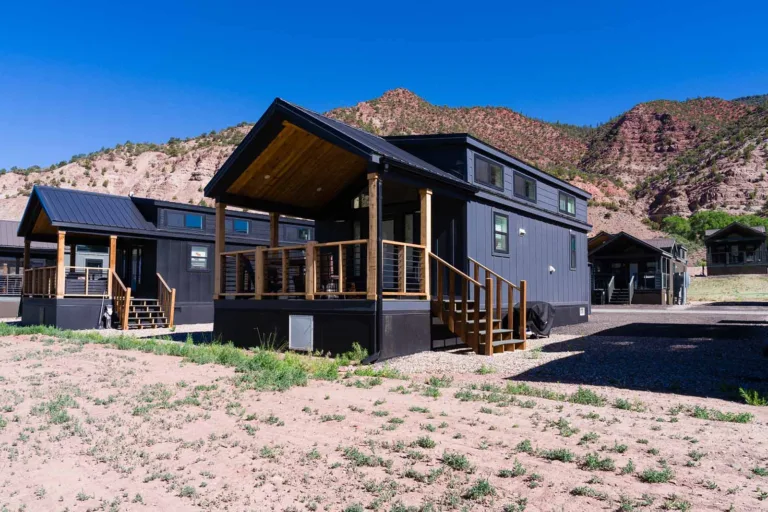
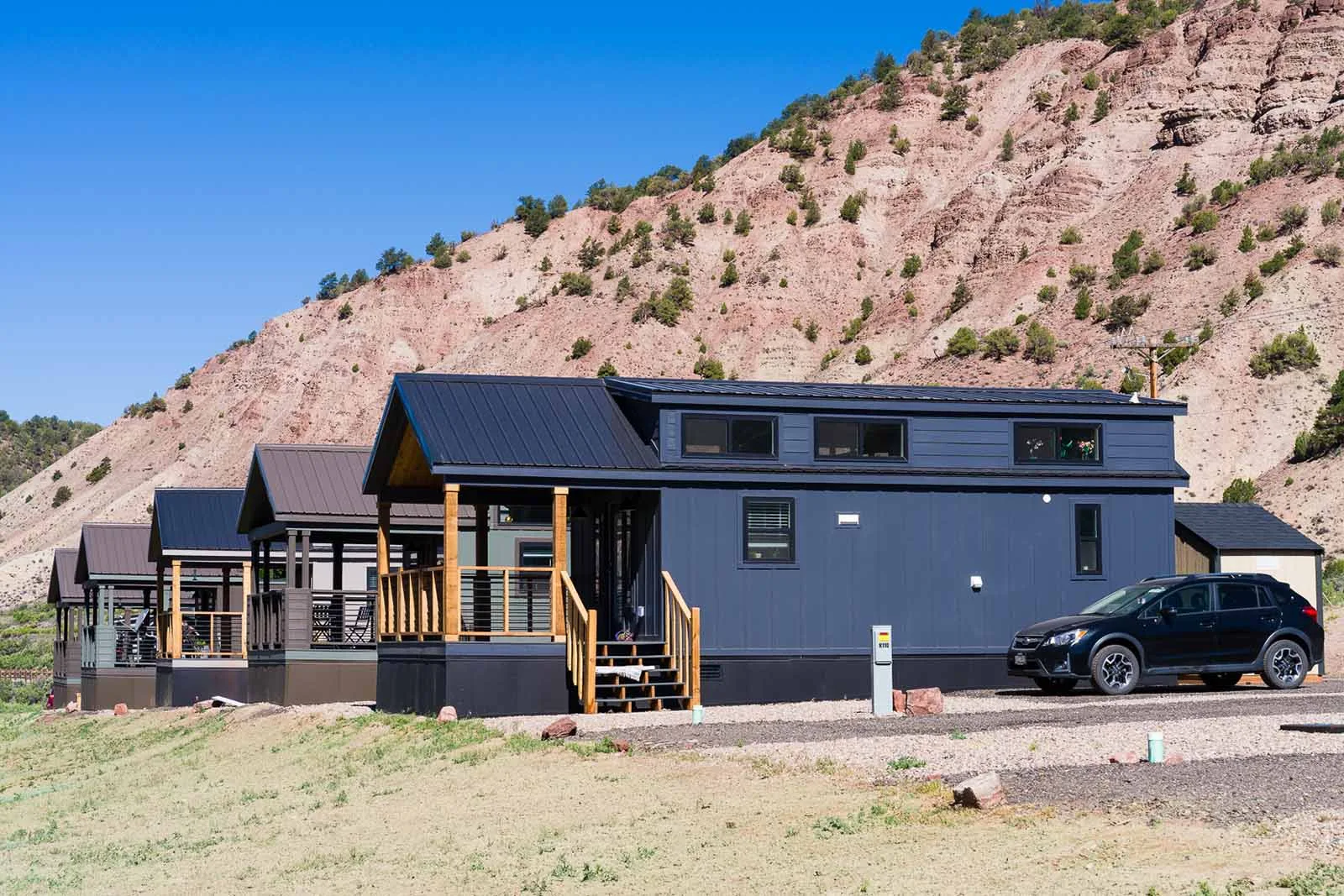
That standard matters because it separates a park model from a manufactured or HUD home. A park model is designed to be placed in an RV resort or a planned community, not treated the same way as a permanent single-family house on a private foundation. In practice, a park model looks and feels like a tiny cottage. You get a kitchen, a bathroom, a living area, and a sleeping space, often with a porch, real appliances, and finishes that feel like home rather than a trailer.
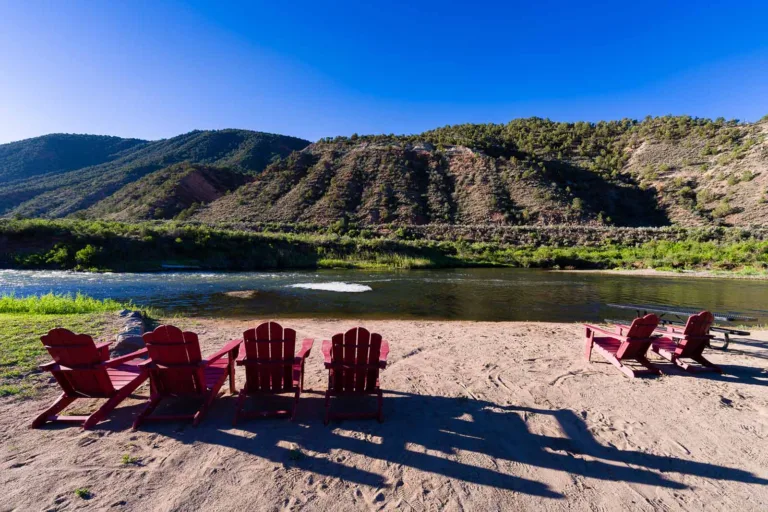
The point of a park model is comfort in a small footprint. You are not roughing it. You are living simply, in a well-built space, usually in a setting you would want to spend time in anyway. At Riverdance, the Park & Porch tiny home village in Gypsum, Colorado is built around that idea, with homes available for purchase in a resort setting near the Eagle River.
What is the difference between a park model and a tiny house?
They overlap a lot. A tiny house is a general term for any very small home, and it can be built to different standards or even custom-built on a trailer. A park model is a specific category built to the ANSI A119.5 standard and intended for placement in RV parks and resort communities. Most tiny homes in a resort like Riverdance are park models by definition.
How Much Do Park Model Homes Cost in Colorado?
Prices vary widely, so treat any number you read online as a starting point rather than a quote. As a general range, a new park model home often falls somewhere in the tens of thousands to well over one hundred thousand dollars depending on size, finishes, and how it is set up. A basic model with standard finishes sits at the lower end. A larger unit with a loft, upgraded appliances, high-end cabinetry, and a covered porch sits at the higher end.
Several things drive the final cost:
- Size and layout. A single loft and a smart floor plan add usable space and price.
- Finishes and appliances. Solid countertops, better flooring, and full-size appliances raise the cost but also raise comfort and resale value.
- Delivery and setup. Getting the home to a mountain lot, leveling it on a pad, and connecting utilities all add to the total.
- Site improvements. Decks, skirting, landscaping, and porch structures are common upgrades.
- The lot itself. In most resort communities you do not buy the land. You lease the site, which is a separate ongoing cost from the home.
Because pricing changes with the market and with each floor plan, the honest answer is to confirm current numbers directly with the resort. You can review the current rates and lot pricing at Riverdance and then contact the team for details on specific park model availability and purchase costs.
How much does it cost to own a park model home per month?
Your monthly cost is usually two parts. First, any loan payment on the home itself if you financed it. Second, the lot lease or site fee you pay to the community, which typically covers your spot and access to resort utilities and amenities. Ask the resort for a full breakdown so you know exactly what the site fee includes before you commit.
Owning the Home vs Leasing the Lot
This is the single most important thing to understand before you buy, so it is worth slowing down here.
In most park model communities, ownership works like this. You own the home. You do not own the land underneath it. Instead, you lease the lot from the resort and pay a site fee, usually monthly. That fee reserves your spot and covers services like full hookups, Wi-Fi, and shared amenities depending on the community.
This split is different from buying a traditional house, and it comes with real advantages. You avoid a land purchase, property lines, and much of the maintenance that comes with owning acreage. You get to enjoy a professionally managed resort with amenities you would not build yourself. And your entry cost is far lower than buying a mountain home outright in the Vail Valley, where land alone is expensive.
It also comes with tradeoffs you should weigh honestly. Because you lease the lot, your site fee can change over time, and you are agreeing to live by the community rules. If you ever move, you may be selling or relocating the home rather than selling land that tends to appreciate. Land ownership and home ownership behave differently as investments, and a park model is more about lifestyle and affordability than long-term land appreciation.
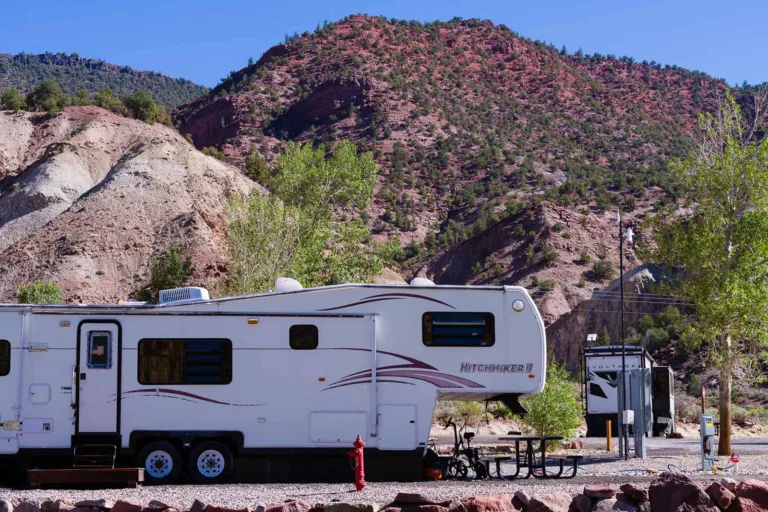
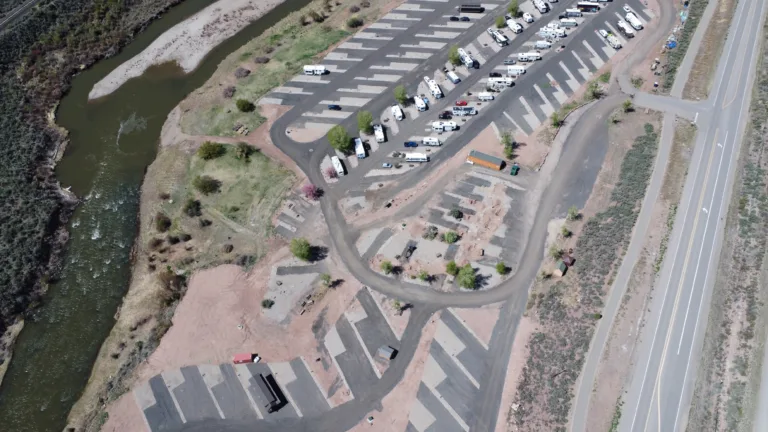
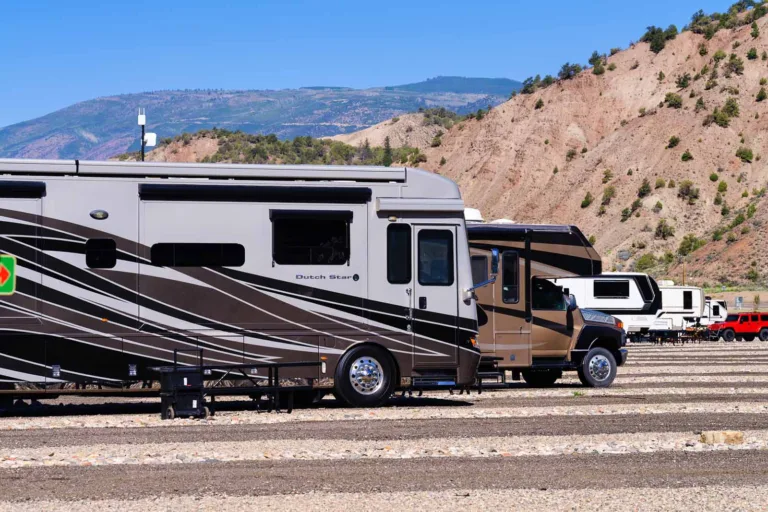
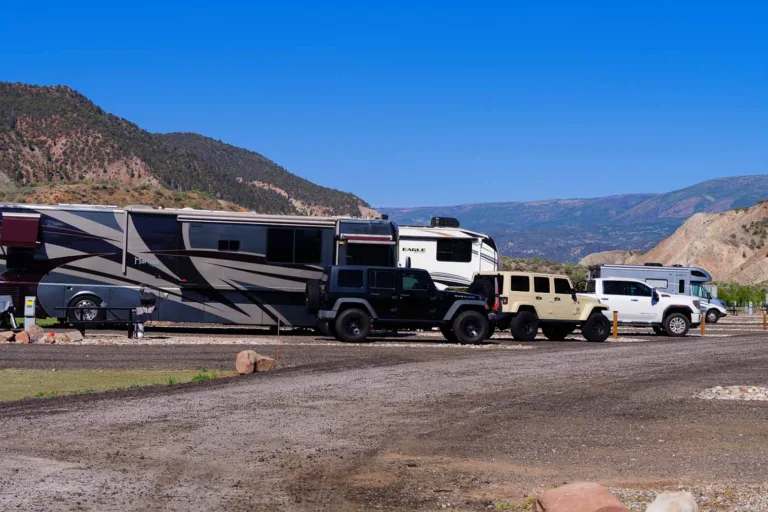
At Riverdance the setup combines purchasable park model homes with monthly park model lots and flexible RV options, so you can match the arrangement to your plans. If you are not ready to buy, you can start with a longer stay and learn the community first through long-term and extended-stay RV options.
Do you own the land when you buy a park model home?
Usually no. In a resort community you typically own the home and lease the lot it sits on. Always confirm the exact lease terms, the length of the agreement, what the site fee covers, and how fees can change before you sign anything.
Community Rules, Zoning and Seasonal Use
Park models sit in a specific spot in the rules, and this is where careful buyers protect themselves.
Because a park model is built to the RV-style ANSI standard rather than the permanent-home standard, local zoning often treats it differently from a house. Some jurisdictions and some communities allow park models for seasonal or recreational use rather than as a full-time primary residence. Others are more flexible. The rules depend on the local government and on the individual resort, and they genuinely vary from place to place.
That means two buyers can have very different experiences depending on where the home sits. Do not assume. Before you buy, confirm the following:
- Occupancy rules. Can you live in the home year-round, or is it intended for seasonal or recreational use? Get the answer in writing.
- Community guidelines. Resorts have rules on things like exterior changes, decks, pets, guests, and quiet hours.
- Utilities in winter. In the Colorado high country, ask how water, sewer, and heat are handled during cold months.
- Local zoning and permits. Check with Eagle County or the Town of Gypsum for anything specific to your situation, especially if you plan full-time residence.
None of this is meant to scare you off. It is simply the homework that separates a happy owner from a surprised one. A good resort will answer these questions plainly, and local authorities can confirm anything the community cannot. Gypsum sits at about 6,300 feet right off I-70, roughly 30 to 35 minutes west of Vail, so winter conditions and seasonal planning are a normal part of the conversation here.
Financing a Park Model Home
Financing a park model does not usually work like a traditional home mortgage, and knowing that early saves you frustration.
Because a park model is classified as an RV-style dwelling and often sits on leased land, most buyers do not get a standard 30-year mortgage. Instead, financing commonly comes through RV loans, personal loans, or chattel loans, which are loans secured by the home itself rather than by land. Terms, rates, and down payment requirements differ from a mortgage, and loan lengths are often shorter.
A few practical tips:
- Talk to lenders who know park models and RVs. They understand the ANSI classification and the leased-lot structure.
- Ask about total cost, not just the monthly payment. A shorter loan term can mean higher payments even at a fair rate.
- Budget the site fee separately. Your lot lease is an ongoing cost on top of any loan payment.
- Some buyers pay cash. Because park models cost far less than a full mountain home, paying outright is realistic for some, which removes financing questions entirely.
Every buyer’s situation is different, so confirm your options with a lender before you fall in love with a specific floor plan.
Pros and Cons of Park Model Living
Here is a balanced view so you can decide if this fits your life.
The upsides:
- Lower cost of entry than a traditional mountain home
- Less space to clean, heat, and maintain
- Access to resort amenities like full hookups, Wi-Fi, hot showers, clean bathrooms, and coin laundry
- A simpler lifestyle with a smaller footprint
- In the right spot, an incredible setting, including private Eagle River access at Riverdance
The tradeoffs:
- You lease the lot rather than own land, so site fees are ongoing
- Space is limited, which takes planning and honest downsizing
- Financing differs from a mortgage and terms can be shorter
- Rules may limit seasonal versus full-time use depending on location
- The home is more of a lifestyle purchase than a land investment
If the upsides describe what you want and the tradeoffs feel manageable, a park model can be one of the best-value ways to own a home in a place like the Vail Valley. Seeing a few homes and the setting in person helps a lot, and you can get a feel for the community through the Riverdance photo gallery.
Is a park model home a good investment?
Think of it primarily as a lifestyle and affordability decision rather than a land investment. You are buying a comfortable place to enjoy at a fraction of the cost of a mountain house. Because you typically lease the lot, the home itself does not behave like appreciating land, so buy it for how you will use it and enjoy it, not as a bet on rising land values.
How to Get Started in the Colorado Mountains
If you are ready to explore, a simple path keeps things clear:
- Decide how you will use the home. Seasonal getaway, extended stays, or full-time living. This shapes everything else.
- Set your budget. Include the home, delivery and setup, any financing, and the ongoing site fee.
- Confirm current availability and pricing. Prices and open lots change, so get today’s numbers from the resort.
- Read the community rules and lease terms. Understand occupancy, fees, and what the site includes.
- Verify local specifics. Check zoning and any permit questions with Eagle County or the Town of Gypsum if you plan full-time residence.
- Visit in person if you can. Standing on the lot and walking through a home answers questions a listing never will.
Taking these steps in order keeps you calm and informed, and it means the home you choose actually fits your plans.
Frequently Asked Questions
Ready to Explore Park Model Living Near Vail?
Owning a park model home in the Colorado mountains is one of the more approachable ways to plant roots in a place like the Vail Valley. You get a real home, real amenities, and a beautiful setting, without the cost and upkeep of a full mountain house. The key is knowing what you are buying, understanding the lot lease, confirming the rules, and lining up the right financing before you commit.
If that sounds like the lifestyle you want, the next step is a simple conversation. Reach out to the team to ask about park model availability, current pricing, and lot options that fit your plans. Contact Riverdance RV Resort to explore your options and see whether a park model home in Gypsum is the right move for you.